7 Řádků
About
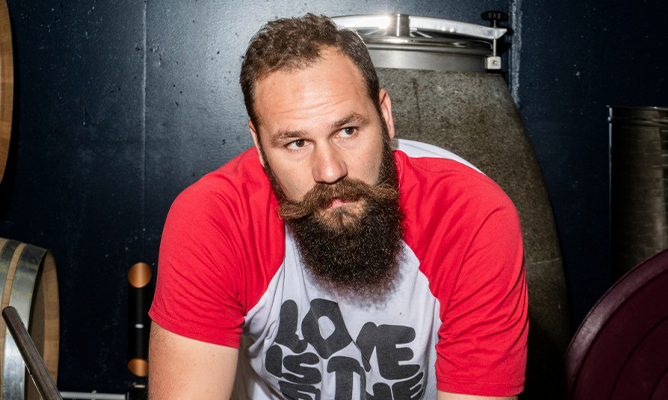
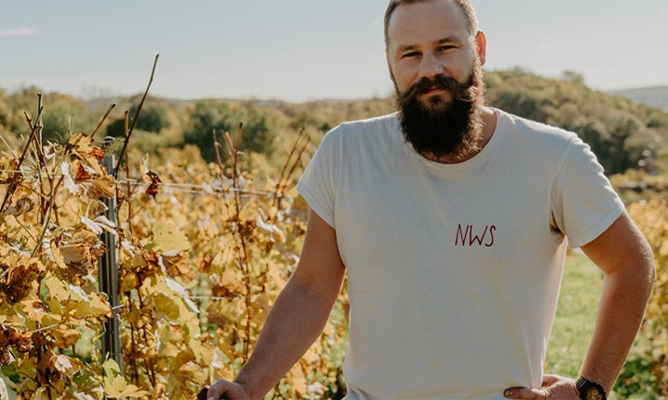
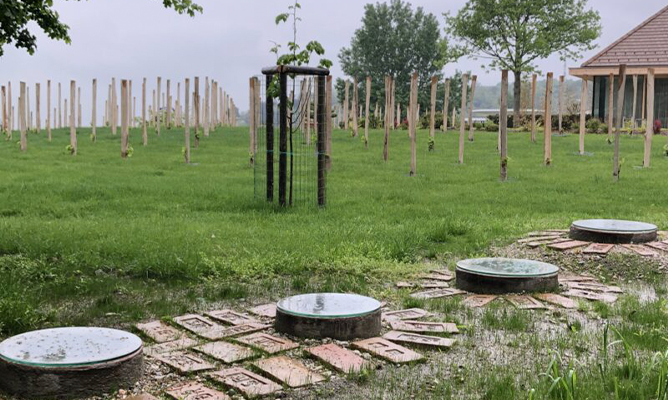
While studying in Moravia, a classmate shared that a local grower in Modré Hory had passed away, leaving behind 7 rows of vines that were available to rent. Filip dismissed the notion initially, feeling he was not yet ready to take on the burden of managing the property and seeing the fruit from ground to glass. He was just a student, after all, with no cellar, no tools, and virtually no experience. But, after tasting the deceased growers wine, there was no question that the vines had to be procured, and Filip immediately converted them to organic farming, and eventually biodynamic practices in 2018.
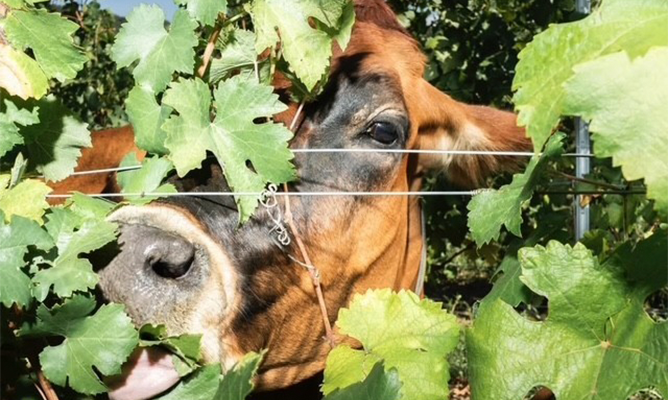
Filip now farms a full 7ha in Devin, Slovakia (certified organic, practicing biodynamic) where he lives, and less than 1ha in Moravia, Czech Republic (practicing organic, practicing biodynamic), his original 7 rows. The Czech Republic and Slovakia are both post Soviet nations that still feel the effects of communism when it comes to farming and winegrowing. Heavy chemical use was traditionally viewed as technological advancement, and seen as something that was favorable for large scale production where quantity was valued over quality. It’s taken hard work from pioneers of organic farming and natural wine production in the region like Richard Stávek, Zsolt Süto (Strekov 1075), and more recently, wonder-kid Milan Nestarec to bring these ideas into the mainstream. Even so, many growers are still chided for working without chemical additions in the vineyard and the cellar. Filip has taken inspiration from these vanguards and now employs cows, horses, goats and bees in his biodynamic vineyard work.
Both vineyard sites have rather warm Pannonian climates. Cold winters with deep snowfall were traditional, but recently winters have been significantly milder, and in particular, drier. Luckily, they still see consistent rainfall in the spring and at the beginning of the growing season, allowing them enough water during flowering to support the vines through long dry summers. Warm winds, strong diurnal shifts, vineyards with good drainage and sharp elevation changes allow for ideal conditions for organic grape production. In the cellar, all fermentations are done with native yeasts, and the wines are never filtered, fined or manipulated save small sulfur additions prior to bottling.
These wines are deadly serious, and while they’re drinking well now, posses the ability to further unravel as they age in bottle. There is no analogous winegrower that comes readily to mind in the region. While influence at large may be due in part to some of the pioneers of natural wine in Central Europe, Filip is showing that new and unique expressions of this terroir is possible. Filip’s are polished wines, that show elegance and composure against what is typically a more rustic and wild profile. We are thrilled to be representing these wines in New York and New Jersey, and are very excited to share them with you. Just know, this is the very tip of the iceberg here. Filip has a deep profile of compelling wines, and his story is just beginning to unfold.
Products
Pinot Noir
Organic. 100% Pinot Noir from Devin. Filip has very little access to Pinot Noir, so this is an important cuvée for him. The fruit is hand harvested, and fermented 50% whole cluster with native yeasts. After 4 weeks the juice is pressed to 300l French Oak for 9 months élevage. The wine is bottled unfined and unfiltered, with 15 mg/l sulfitage. This is a juicy, elegant Pinot that stands out in an ever crowded category; think Cheverny not Chambertin.

Skin Contact Field Blend 'Orange Label'
Organic. A field blend of Welschriesling (85%) and Riesling (15%) from 40 year old vines grown on loess and loam in Southern Moravia (Czech). The fruit is hand harvested and macerated for 3 weeks in open top vats with regular punch downs. The juice is then gently pressed to old oak barrels for 10 months of élevage, and bottled with no fining or filtration, and a 10 mg/l sulfur addition. An expressive wine, with ripe, tropical notes that give way to robust, pithy textural characteristics on the palate. Classic examples of macerated Sauvignon Blanc and Morillon from Styria come to mind here.
Chardonnay 'Not For Sale'
Blaufrankisch 'Red Label'