

Cantina Sober
About
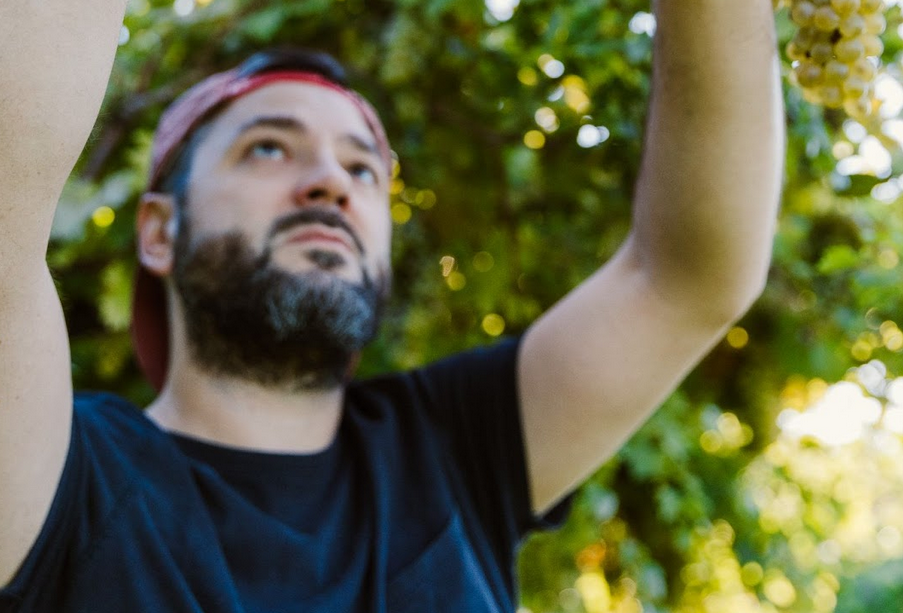
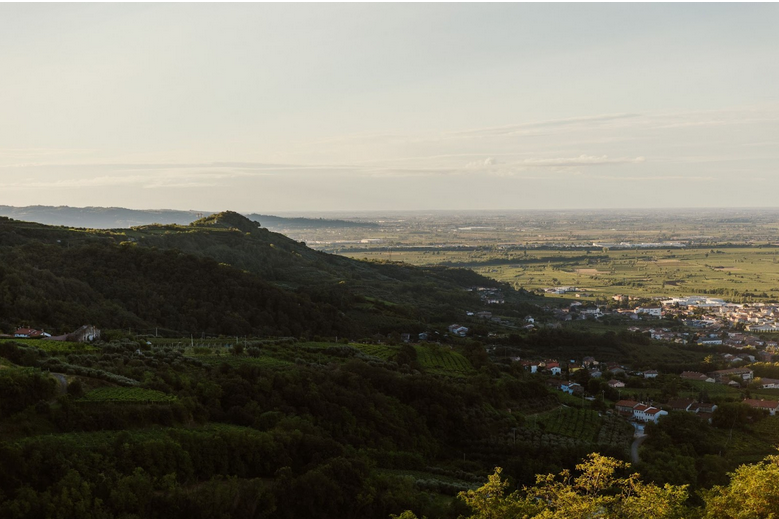
There’s literally nothing about Andrea’s vineyards that doesn't scream “make me into wine.” In this sense, Cantina Sober is a bit of a no-brainer. Who wouldn’t want to make something beautiful here? In a thousand other senses, the project is a big leap, as historically, these hills have been industrialized and disrespected and flattened into oceans of white wine that just sort of does the trick and are nice when chilled.
Thus, Cantina Sober, an ironic pun on the Italian “I know how to drink” (so come bere) and “Sober,” in English, is a bit of a moonshot, as the wines are, frankly, delicious and not in great supply. Andrea, who works as a pizzaiolo when he’s not in the vineyard, has not yet quit his day job. “Angelo Maule also worked in a pizzeria,” he tells us, which sort of settles that. Originally, the idea was to open a wine bar to go along with the wines, but covid struck and funding dried up and partners disappeared and Andrea decided to vinify through it all, as the one constant in his life has always been vineyards. Sober is, at the moment, downright tiny and plucky – one guy and two hectares of vines – but nearly everywhere you look you can see exactly where this whole shebang will blossom.
The easiest spot to begin with Cantina Sober are the vineyards, located in Roncá. These are farmed organically –“you don’t shit in your kitchen, guys! Come on–” and with some “stolen biodynamic ideas.” Andrea’s not so sure about the moon cycles or the horns, but he’s been finding a lot of success with tinctures and preparations. He has also been experimenting with introducing new types of fungus to the soil to help build out the root network. The vines are all on terraced vineyards, grown in the incredibly romantic and also labor intensive pergola veronese method, planted by Andrea’s grandfather. These vineyards are only plowed to train the roots deeper and help with soil drainage (like many winemakers in the area, the ghosts of the 2023 deluge vintage are everywhere.) The majority of Andrea’s holdings are planted to Soave, which, as one would expect with that name, is soft and tends towards creamy. The rest, about a third, is planted to Durella, which unsurprisingly is sharper and more rigid. Harvests normally occur from the first week of September till the middle of October, and from each parcel, Andrea creates a pied du cuve, which he blends together to create a house strain each vintage.
The wines are currently made in the cellar of Zambon winery in the Soave appellation. They’ve been huge helps but there’s no getting around the fact that Andrea is itching to set up his own shop. In the cellar, he prefers to do as little as possible to the grapes, relying on vigorous sorting and long aging instead of much intervention. Andrea favors large concrete vessels for both fermentation and elevage and has little interest in reduction, preferring to let the wines breath and develop wide bases. Malo occurs spontaneously in most of his wines, save for the cuvees that include larger amounts of Durella, which is acidic enough to inhibit the process. SO2 (never more than 3 grams) is added well past fermentation but with plenty of time for the wines to adapt and recover, leading to wines that are rock solid and stable but that taste open and lively from the first glass.
Products
Soave
Organic. 100% Gargenaga from Andrea's family vineyard in Roncà, grown on Veronese Pergola on Basalt soil, with approx vine age of 25-40 years old. Hand harvested with 6 hours skin contact before pressing and fermentation using a indigenous pied du cuve for about 15 days in concrete. Elevage in concrete tanks with battonage for 8 months, where the wine undergoes malolactic fermentation. Bottled unfined and unfiltered with 30ppm SO2 after vinification.
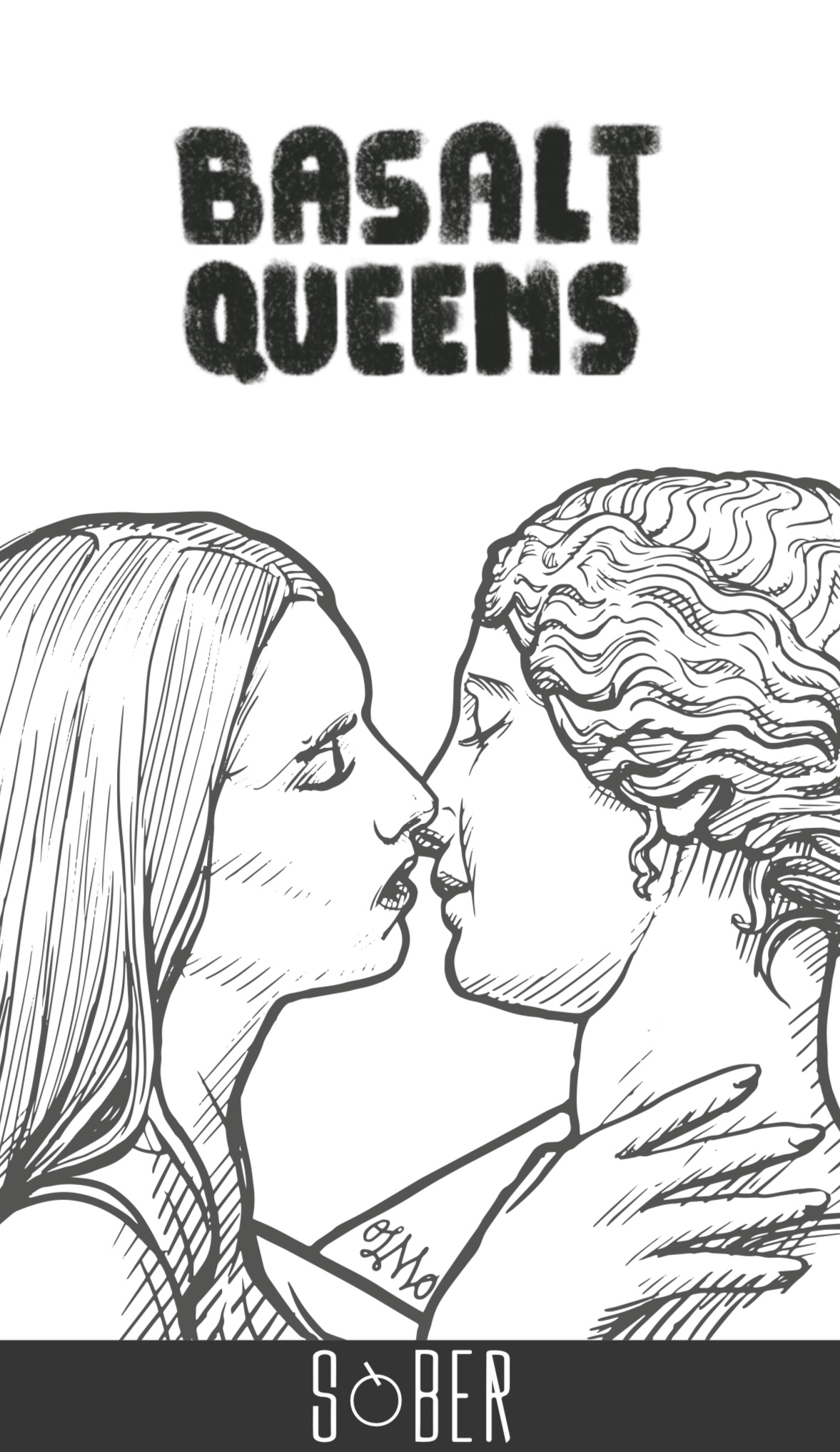
'Basalt Queen' Veneto Bianco IGT
Organic. 50% Gargenaga and 50% Durella, from Andrea's family vineyard in Roncà, grown on Veronese Pergola on Basalt soil, with approx vine age of 25-40 years old. Hand harvested with 3 days of skin contact before pressing and fermentation using a indigenous pied du cuve for about 20 days in concrete. Elevage in concrete tanks for 3 years without racking. Bottled unfined and unfiltered with 30ppm SO2 after vinification.
