
Commune of Buttons
About
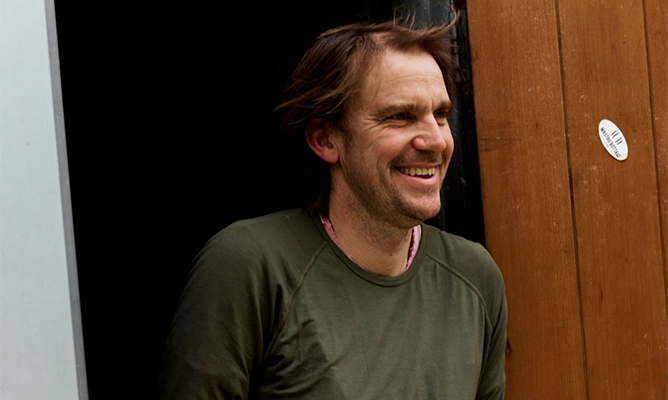
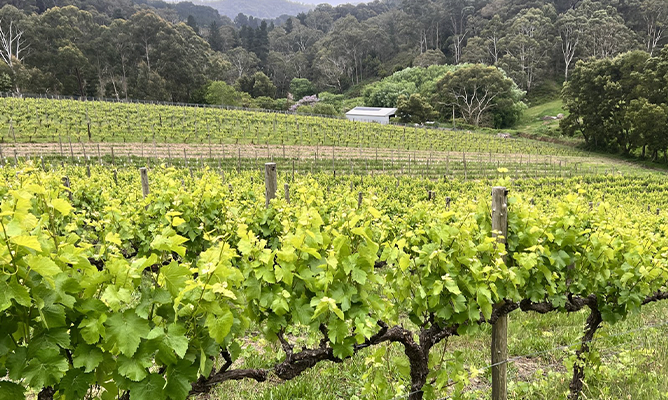
The Commune of Buttons is a 28 ha farm named Fernglen, the majority of which is used for pasturage or other agriculture. The Commune part of the name comes from Jasper’s insistence that all wine is a collaborative effort – in conversation, he mentions working harvest with Justin Dutraive in Beaujolais and the sense of community and belonging he found there as days of work evolved into skill sharing, parties and late night conversations. The farm is surrounded by stringybark eucalyptus forests on all sides and consists of rolling hills with an average height of 350m. The soil at Fernglen is red clay with ironstone pebbles over sandstone bedrock. Key to Commune of Buttons, Jasper tells us, is the presence of several creeks on the property and the marked diurnal shift – despite the punishing heat, the wines maintain acidity, natural minerality and a crunchy bite to the reds that make them refreshing and easy to drink.
The oldest 3 ha of vineyards were planted to Chardonnay, Pinot Noir, and Nebbiolo between 1993 and 1995. To this, Jasper has planted an additional 1ha of Xarello (likely the first Xarello in Australia, and yes, we’ve already suggested we’ll need quite a lot of it) Chenin Blanc and Gamay that he anticipates getting fruit off of next vintage. Jasper manages the vineyards via mulch applications, teas and BD composts. In addition to his own fruit, Jasper sources a minute quantity from other growers, most notably Fiona Wood, who is the absolute local authority on Grenache. Although most of his methods are biodynamic, Jasper defines himself as a practical farmer, and one who anticipates problems before they start, rather than just planting based on the moon cycle. Chief among his methods is green regenerative pruning, which to Jasper is absolutely critical in setting the tone of a vineyard.” Pruning is just as important as looking after the soil. If it’s right, everything else follows that.”
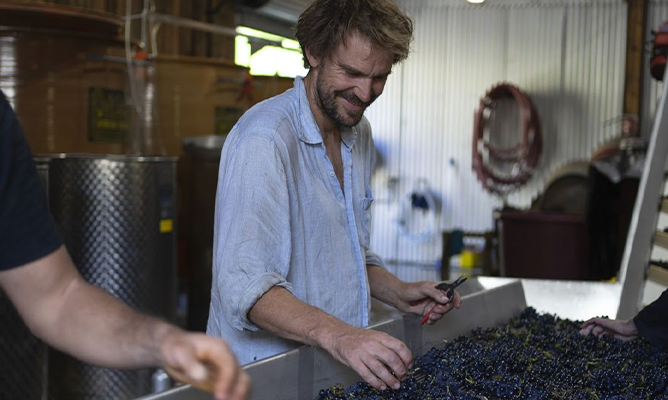
Jasper’s cellar work doubles down on the practicality, while also leaning into his own role as the creator of the wine. “It’s not just about intention,” he told us, “you also have to make the shit out of the wine.” To this end, Jasper has chosen to prioritize texture and development in his wines. As a rule, his reds see a short period in barriques on the gross lees to break down the primary fruit notes, before a racking to steel for 8 months to rebuild tightness and freshness. His whites, in contrast, see 2 winters in demimuids on the lees as a way of building around and balancing the searing natural acid. Low and slow and cool ferments are the bywords for Commune of Button’s cellar work, with the ultimate goal of purity and stability. Jasper uses anywhere from 10-20ppm SO2 on his wines, but never right before bottling – the trick, he tells us, is to give the wine time to adjust and absorb, with the goal of making wine you never have to apologize for.
Products
Pinot Noir Piccadilly Valley
Organic. 100% Pinot Noir. The ‘Pinot’ from Commune of Buttons is from 0.5 hectares of Pinot Noir from the Clover vineyard east facing slope. It is a patch work of different clones 777, 667 Martini and D5V12. Picking was on the 24th of March. Post hand harvest the grapes were sorted and destemmed into 500L fermenters and chilled down for several days. They were then transferred to a 2500L fibreglass vat as 90% destemmed fruit and 10% whole bunches. During fermentation grapes were gently pumped over once a day and maceration was for 3 weeks. Elevage was for 11 months on full lees in a single 1800L Foudre. Bottling took place on December 20th 2023. Unfined and Unfiltered, 20ppm SO2 after malo.

Syrah Grenache 'Sable' Blewitt Springs
Organic. 60% Syrah, 40% Grenache. This is the first vintage of this wine and working with this site. The vineyard is in Blewitt Springs at the southern end of the GI overlooking McLaren Flat to the south. There is only sand under foot here and this is seen for at least two meters into the subsoil. It is managed by Fiona Wood and contains 6 hectares of 80-year-old Syrah and Grenache vines. The Syrah and Grenache were hand harvested on the same day 6th of March 2023. The fruit was hand sorted and destemmed into 500 litre fermenters and chilled down for several days. The grapes were then transferred to a 2500 Jarrah fermenter where fermentation took place over 3 weeks. The wine was aged in fibreglass tank for 10 months before bottling. Unfined and Unfiltered, 20ppm SO2 after malo.
