
Champagne Marguet
Champagne
France
France
PRODUCER
Benoit Marguet
ESTABLISHED
2005
FARMING PRACTICE
Biodynamic, Organic
REGION
Champagne
France
CITY / VILLAGE
CLIMATE
Continental
ELEVATION
SIZE
10 Ha
About
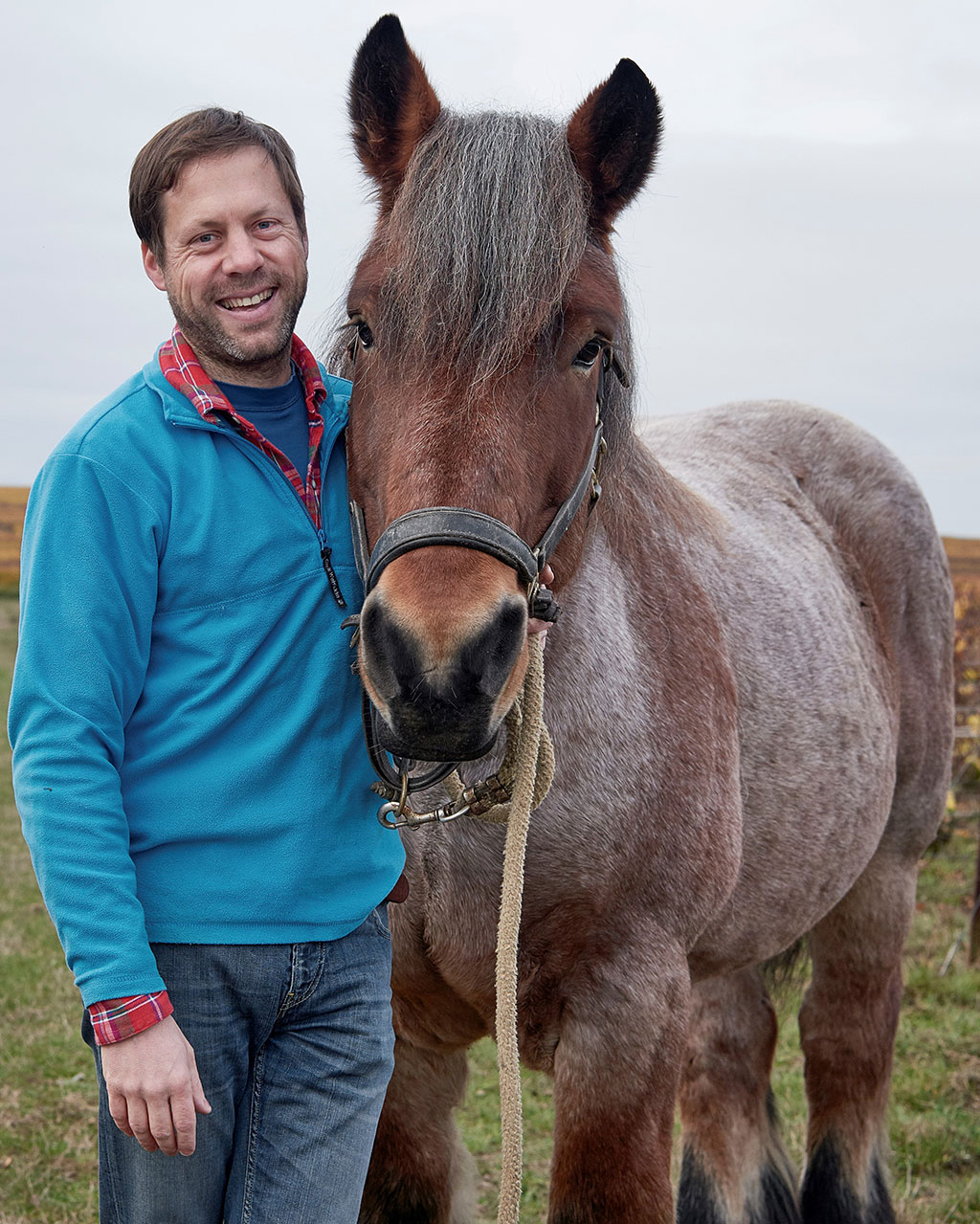
Benoît Marguet is easily one of Champagne’s most famous and celebrated contemporary grower-producers—with twenty years at the helm of his family domaine, he’s created a name and an image of farming and winemaking in the region that’s quite singular. Those who have been fortunate enough to visit know that world of his is even a bit offbeat, especially for being in one of what are probably the two most potent, famed villages for Blanc de Noirs in all of the world of Champagne—Ambonnay and Bouzy.
While the Marguet family has been in the region for hundreds of years, the story of the domaine took a drastic turn with Benoît, who showed signs of being a firebrand at a young age. This winter, he revealed that one of his early duties in the estate was preparing the chemical sprays deemed necessary for the health of the vineyards. In a fit of teenage curiosity, he deluted the sprays to half strength, with absolutely no noticible effect on vine health. This, he told us, demonstrate how “unneccesary” and “unhelpful” so much of the conventional manipulations in the vineyard were, and gave him the desire to see how the grapes would develop without systemic intervention. By 2005, he had taken over the estate and was finally able to experiment and push the boundaries of what champagne could be. Currently, Benoît farms 10 ha of vines throughout the region, all biodynamically, a stark contrast to the hundreds of industrially farmed hectares that define champagne production, especially in the Montagne de Riems.
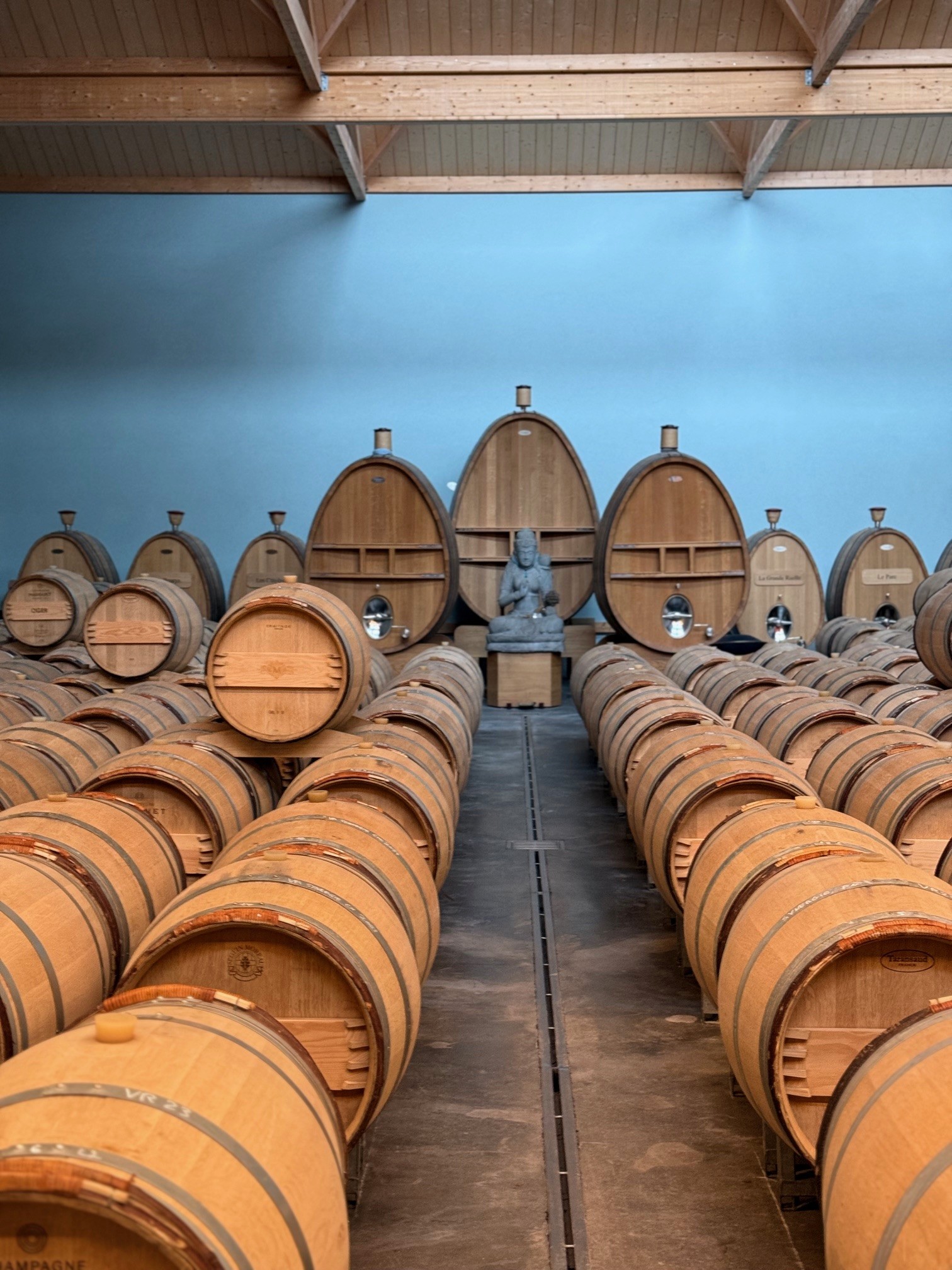
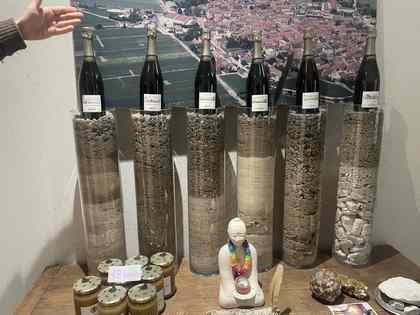
On each of Benoît’s labels, you’ll see little circular images, symbols with trees and expanding roots, rainbow colors, references to sacred geometry, a human figure seated in the lotus position. Marguet is a deep practitioner of biodynamic farming; he’s been certified by both Ecocert and Demeter since 2008, a move in the heart of Grand Cru territory that for years earned Benoît a fair amount of critical and sometimes unwanted attention from his contemporaries. He’s also just a spiritual sort of fellow, talking often about the harmonies between plants, people, the planets, and the soil. If you’re a committed empirical or materialist person, all of Marguet’s talk can strike as woo-woo, but it’s genuinely felt and deeply practiced. All actions in the vineyards and in the cellar are guided by not just the lunar calendar but by other planetary movements. There are amethysts around. Benoît is well-known for draft horse farming, vegetal and floral tisanes instead of chemically-derived organic treatments, spontaneous fermentations, brut-nature secondary fermentation and even a fair quantity of Champagnes bottled without any sulfur additions at all. Similarly, all of the wines produced at Champagne Marguet are aged in wood – “Have you ever slept in a stainless steel bedroom?” asks Benoît, by way of explanation. Barrels are all between 1 and 9 years old and of various sizes and cooperages –from standard 225s to custom made 1000 liters from Taransaud designed to maximize convection. Perhaps most intriguingly, Benoît makes it a point to keep the cuvée and taille of his wines together, noting that they “spent their whole life together in berry, so why not some more time in barrel.”
But the Marguet wines themselves are in no way eccentric, despite the uniqueness of the perspective and practices that lie behind them. We like Peter Liem’s remarks on the wine style overall: “Like the man himself, Marguet’s wines are outgoing, friendly and forthright, yet they conceal a depth and expression that is clearly the product of careful thought and insightful vision.” We also sense the happy, pure sensation in Marguet’s Champagnes; the style is quite different from, say, another giant in Ambonnay, Marie-Noëlle Ledru, whose wines feel aristocratic, stone-wrought, with little flourishes and frills to soften things. Marguet is just down the road, with many of the eight hectares of his family holdings neighboring some of Ledru’s parcels, and the style of the wines is fresher, more open, with fruit more readily available, and a tense, long sense of minerality hidden underneath. You could miss that part of the wines, though, the depth of terroir, if you’re not paying attention.
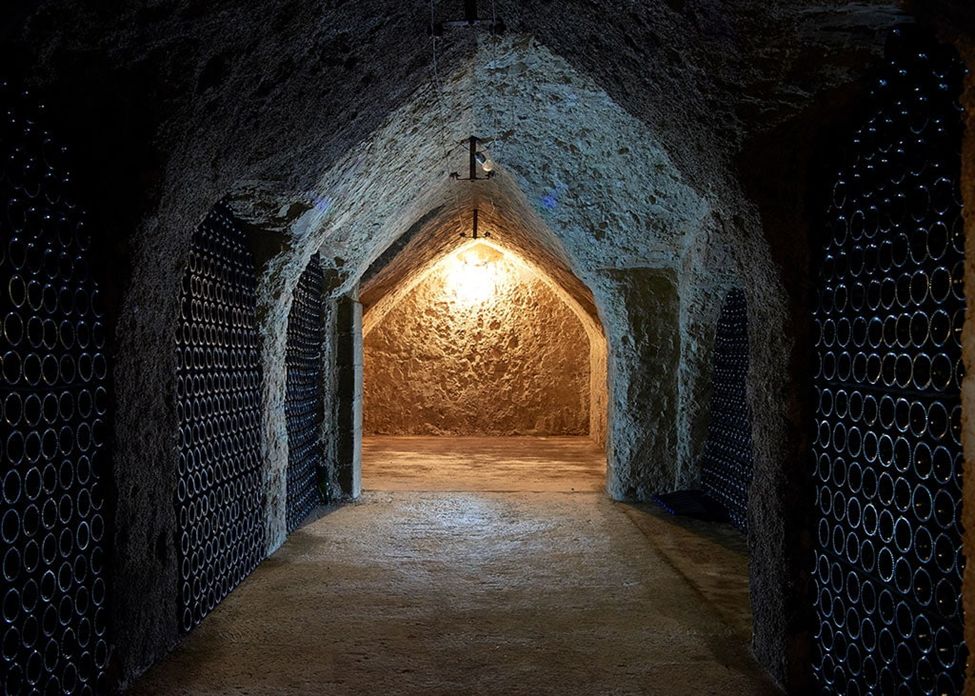
This fifth-generation winemaker has also organized his lineup in a way that allows you to take a deep dive either into the Marguet philosophy or into the estate’s particular holdings and terroirs: there are the delightful entry-level estate cuvées called ‘Shaman;’ the négociant cuvée ‘Yuman,’ where you can see this Pinot Noir maestro practicing with Chardonnay; village-level wines both from his own holdings in Ambonnay and Bouzy but also purchased fruit from other top-tier Champagne growers; and finally, very special lieu-dit estate bottlings that show with the most majesty and force just how effective these philosophies of farming and vinification can be. That’s before we mention the mega-cuvée Sapience, only occasionally produced in collaboration with some of Champagne’s other stars – Laval, Léclepart, etc. -- perhaps the most rare of the Marguet house, deeply unique in approach.
Along with other biodynamic pioneers in the region like Champagne Fleury or Leclerc-Briant, Benoît Marguet is among one of the most important producers to have etched these practices so deeply in the winery’s ethos. We’re proud to be able to represent this very accomplished, singular work in the Montagne de Reims.
While the Marguet family has been in the region for hundreds of years, the story of the domaine took a drastic turn with Benoît, who showed signs of being a firebrand at a young age. This winter, he revealed that one of his early duties in the estate was preparing the chemical sprays deemed necessary for the health of the vineyards. In a fit of teenage curiosity, he deluted the sprays to half strength, with absolutely no noticible effect on vine health. This, he told us, demonstrate how “unneccesary” and “unhelpful” so much of the conventional manipulations in the vineyard were, and gave him the desire to see how the grapes would develop without systemic intervention. By 2005, he had taken over the estate and was finally able to experiment and push the boundaries of what champagne could be. Currently, Benoît farms 10 ha of vines throughout the region, all biodynamically, a stark contrast to the hundreds of industrially farmed hectares that define champagne production, especially in the Montagne de Riems.
On each of Benoît’s labels, you’ll see little circular images, symbols with trees and expanding roots, rainbow colors, references to sacred geometry, a human figure seated in the lotus position. Marguet is a deep practitioner of biodynamic farming; he’s been certified by both Ecocert and Demeter since 2008, a move in the heart of Grand Cru territory that for years earned Benoît a fair amount of critical and sometimes unwanted attention from his contemporaries. He’s also just a spiritual sort of fellow, talking often about the harmonies between plants, people, the planets, and the soil. If you’re a committed empirical or materialist person, all of Marguet’s talk can strike as woo-woo, but it’s genuinely felt and deeply practiced. All actions in the vineyards and in the cellar are guided by not just the lunar calendar but by other planetary movements. There are amethysts around. Benoît is well-known for draft horse farming, vegetal and floral tisanes instead of chemically-derived organic treatments, spontaneous fermentations, brut-nature secondary fermentation and even a fair quantity of Champagnes bottled without any sulfur additions at all. Similarly, all of the wines produced at Champagne Marguet are aged in wood – “Have you ever slept in a stainless steel bedroom?” asks Benoît, by way of explanation. Barrels are all between 1 and 9 years old and of various sizes and cooperages –from standard 225s to custom made 1000 liters from Taransaud designed to maximize convection. Perhaps most intriguingly, Benoît makes it a point to keep the cuvée and taille of his wines together, noting that they “spent their whole life together in berry, so why not some more time in barrel.”
But the Marguet wines themselves are in no way eccentric, despite the uniqueness of the perspective and practices that lie behind them. We like Peter Liem’s remarks on the wine style overall: “Like the man himself, Marguet’s wines are outgoing, friendly and forthright, yet they conceal a depth and expression that is clearly the product of careful thought and insightful vision.” We also sense the happy, pure sensation in Marguet’s Champagnes; the style is quite different from, say, another giant in Ambonnay, Marie-Noëlle Ledru, whose wines feel aristocratic, stone-wrought, with little flourishes and frills to soften things. Marguet is just down the road, with many of the eight hectares of his family holdings neighboring some of Ledru’s parcels, and the style of the wines is fresher, more open, with fruit more readily available, and a tense, long sense of minerality hidden underneath. You could miss that part of the wines, though, the depth of terroir, if you’re not paying attention.
This fifth-generation winemaker has also organized his lineup in a way that allows you to take a deep dive either into the Marguet philosophy or into the estate’s particular holdings and terroirs: there are the delightful entry-level estate cuvées called ‘Shaman;’ the négociant cuvée ‘Yuman,’ where you can see this Pinot Noir maestro practicing with Chardonnay; village-level wines both from his own holdings in Ambonnay and Bouzy but also purchased fruit from other top-tier Champagne growers; and finally, very special lieu-dit estate bottlings that show with the most majesty and force just how effective these philosophies of farming and vinification can be. That’s before we mention the mega-cuvée Sapience, only occasionally produced in collaboration with some of Champagne’s other stars – Laval, Léclepart, etc. -- perhaps the most rare of the Marguet house, deeply unique in approach.
Along with other biodynamic pioneers in the region like Champagne Fleury or Leclerc-Briant, Benoît Marguet is among one of the most important producers to have etched these practices so deeply in the winery’s ethos. We’re proud to be able to represent this very accomplished, singular work in the Montagne de Reims.

Products
Champagne Yuman 1er Cru
TYPE
Sparkling / White
VARIETAL
Chardonnay
FARMING PRACTICE
DETAILS
Organic. 100% Chardonnay. A fully négociant cuvée, with fruit purchased from two terroirs, the village of Villers-Marmery (from grower-producer Sébastien Mouzon) et Villeneuve Renneville (from grower-producer Laurent Vauversin). Brut Nature and aged in oak. Base 2022 with 19% reserve. Disgorged March 2025, 12ppm SO2 added at bottling.
Champagne Shaman Grand Cru
TYPE
Sparkling / White
VARIETAL
Chardonnay, Pinot Noir
FARMING PRACTICE
DETAILS
Certified Biodynamic. 84% Pinot Noir, 16% Chardonnay. Estate fruit drawn from vineyards within the terroirs of Ambonnay and Bouzy. Aged in a blend of old and new oak. Brut nature. Base vintage 2022 with 7% reserve wine. Disgorged March 2025, 10ppm SO2 added at bottling.
Champagne Shaman Rose Grand Cru
TYPE
Sparkling / Rosé
VARIETAL
Chardonnay, Pinot Noir
FARMING PRACTICE

135 W. 29th St.Suite 200 New York, NY 10001 | (347) 762-1258